

Skip to content

Product

AI SDLC Automation Platform

Automate the entire software delivery lifecycle across six functional personas — from requirements and stories to code, tests, database artifacts, process models, and release governance.

Engineering team working on laptops in an open office
AI SDLC operating layer across delivery domainsGOVERNBA · requirements · stories01Frontend · backend · full-stack02Database · schema · procedures03QA · tests · automation04BPMN · audits · governance05

The problem

AI tools without an operating model

Teams adopt copilots and coding agents quickly. What stays tribal is the work that actually moves delivery: requirements, stories, implementation plans, code, tests, schemas, process models, and audits. Without a shared system, every persona reinvents AI usage — and quality stays uneven.

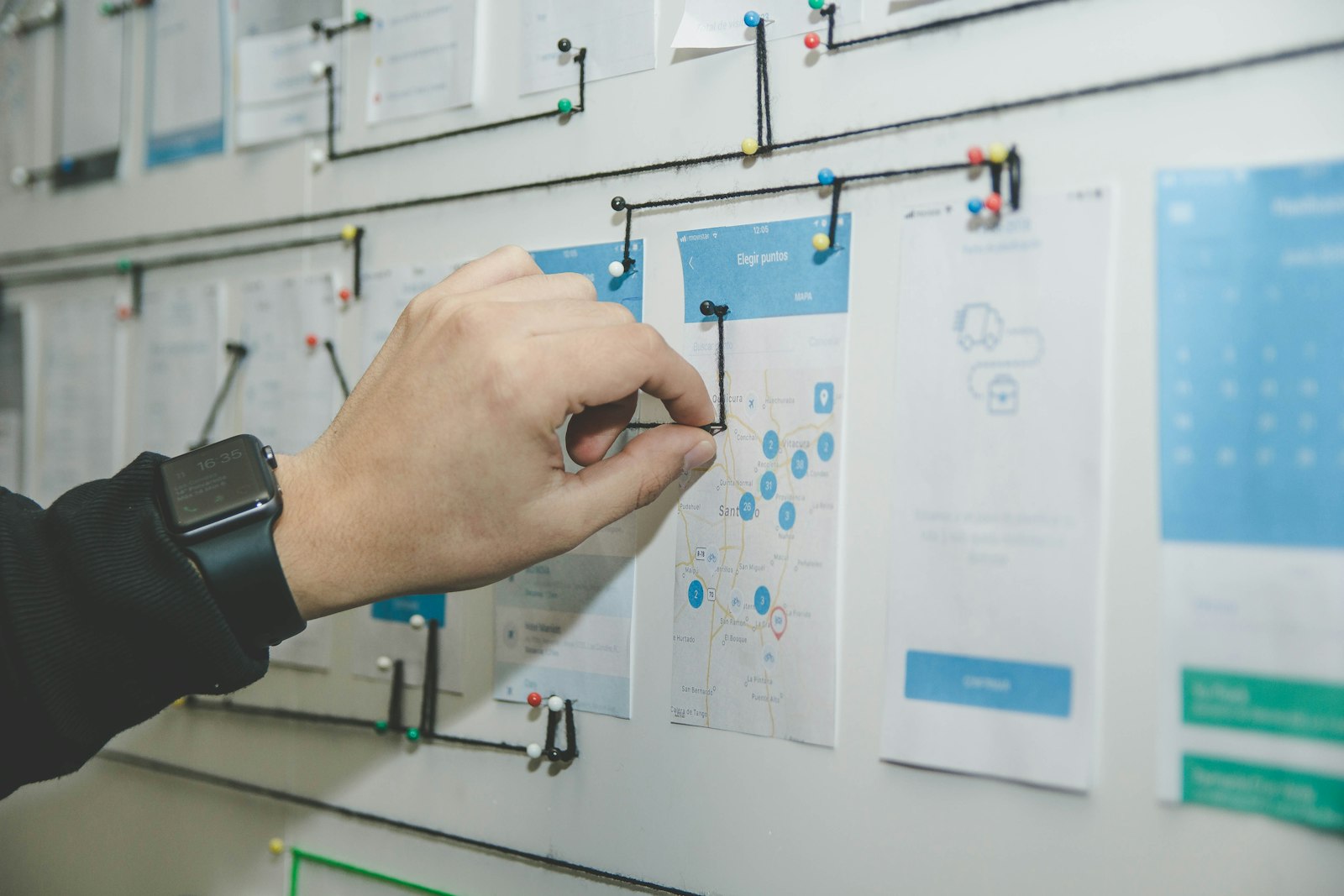
Team planning on a whiteboard and sticky notes

What it is

An operating layer — with proven workflows

A workspace-installed AI operating layer: standards, skills, and well-tested workflow prompts that automate real SDLC work inside the repositories and IDEs your teams already use.

Not a chatbot. Not a generic prompt dump. Not an unmanaged zip of tribal knowledge. It is a governed delivery system that happens to include a battle-tested prompt and skill library as the execution layer.

Built and proven in the field — used to enable structured AI-assisted delivery across 50+ practitioners and 6 functional domains.

Lifecycle automation

Automate the full SDLC — across six functional personas

Not a prompt library sitting on a shelf. An operating system for AI-assisted delivery that runs proven, role-specific workflows from requirements through code, tests, process models, and release governance.

Persona 01

Business Analysis

Turn briefs, Figma, and legacy systems into structured requirements and stories.

What it automates

  • Generate functional requirements (FRDs) from source material
  • Produce and refine user stories for frontend, backend, and QA
  • Run gap analysis against existing capabilities
  • Reverse-engineer applications into analysis artifacts
  • Analyze UI/Figma inputs for delivery-ready requirements
  • Derive low-level design direction from FRDs or features
Persona 02

Frontend Engineering

Plan and build UI features from stories and Figma — with tests attached.

What it automates

  • Plan features from user stories and Figma designs
  • Implement frontend features from an approved plan
  • Build UI directly from story + Figma inputs
  • Generate unit and component test cases
  • Produce evaluation matrices for UI quality checks

Persona 03

Backend Engineering

Plan and implement services from stories — including unit test generation.

What it automates

  • Plan backend features from stories and design inputs
  • Implement backend features from an approved plan
  • Build services from story + Figma / design context
  • Generate unit test cases for new and existing code
  • Produce evaluation matrices for backend quality

Persona 04

Database Engineering

Automate schema, procedures, dictionaries, and change impact work.

What it automates

  • Generate schema scripts and data dictionaries
  • Create stored procedures and review them for quality
  • Produce ER diagrams and lookup/seed scripts
  • Run database gap analysis and change-impact review
  • Prepare post-deployment artifacts

Persona 05

QA & Testing

Generate tests, automation, and triage workflows from design and failures.

What it automates

  • Generate test cases and suites from Figma
  • Update test assets when designs change
  • Produce automation scripts for covered scenarios
  • Create structured bug reports
  • Triage and reform failing tests into actionable fixes

Persona 06

Process & BPMN

Extract and generate process workflows from BRDs and stories.

What it automates

  • Analyze BRDs for BPMN-ready process scope
  • Derive process flows from analysis outputs
  • Generate BPMN workflows from BRDs or user stories
  • Review BPMN for completeness and correctness

Across the lifecycle

From story to shipped work — connected

Full-stack workflows connect personas so a single intake of story and design context can drive planning, implementation, tests, and governance — instead of disconnected chat sessions.

Full-stack feature delivery

Plan and build end-to-end features spanning frontend, backend, and data from a single story-and-design input set.

Standards-driven execution

Every workflow resolves common, domain, capability, and client-overlay standards so outputs stay consistent and enterprise-fit.

Governance & audits

Run full-codebase and uncommitted-change audits, evaluate output quality, and report prompt adoption across the team.

Workspace initialization

Stand up an AI-ready engineering workspace quickly — prompts, skills, standards, templates, outputs, and reports in a repeatable structure.

How it works

Install once. Run the lifecycle every day.

  1. 01

    Install the operating layer

    Put the platform into the team workspace so AI work runs inside existing repos and IDEs — not a separate silo.

  2. 02

    Apply stack-aware standards

    Resolve engineering standards by technology and client overlay so generation follows your conventions.

  3. 03

    Run role workflows

    BA, engineering, database, QA, and process personas execute proven workflows that produce real delivery artifacts.

  4. 04

    Govern and improve

    Audit quality, measure adoption, and keep AI-assisted delivery under control as the team scales.

Why teams adopt it

Proven workflows, not experimental prompts

The platform includes a curated library of well-tested workflow prompts and skills — the execution layer that makes lifecycle automation real. Those workflows have already helped teams standardize AI-assisted delivery across business analysis, engineering, database, QA, and process modeling.

  • Role-specific automation for six personas in one operating model
  • Stack-aware standards and client overlays for enterprise fit
  • Audits, quality evaluation, and adoption measurement for leaders
  • Works in the IDEs and repositories teams already use

Next step

Automate your SDLC with a real operating layer

Discuss the AI SDLC Automation Platform — lifecycle automation across BA, engineering, database, QA, and process teams.